







Neck pain is a broad term for a magnitude of underlying pathologies often deriving from mechanical nature. Common symptoms present and stiffness, muscle ache, headaches, and, but not limited to referred nerve pain.
Recent studies highlight the increasing incidence of neck pain as two thirds of people likely to experience in their lifetime, with an increased risk in women, patients who have high levels of stress and anxiety, and also people who work in a desk based environment with a poor ergonomic set-up.
Neck pain is normal but you don’t have to just get on with it. This blog will discuss common conditions causing pain around the neck and shoulder area and treatments.
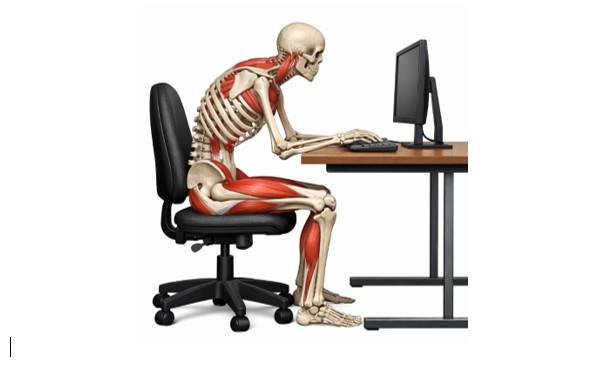
Why poor desk posture fuels neck and shoulder pain
As most of the population occupy desk based jobs its very common to experience neck pain. In the classic hunched over position the upper trapezius, suboccipital, sternocleidomastoid and pectoral muscles often find themselves in a shorted position. This will often lead to altered biomechanics and stiffness. Whereas other muscles such as the rhomboids, serratus anterior and rotator cuff are put into a lengthened position, inhibiting their ability to function.
This imbalance between tightness and inhibition can disrupt shoulder kinematics often increasing load through structures like the neck causing pain referred into the cervical area.
Modalities such as stretching, strengthening, sports massage and varying your posture can all contribute to relive symptoms. Stretching shorted structures while strengthening inhibited ones will help restore balance. Often sports massage can help reset tightness and increase muscle activation, giving you a headstart in recovery.
Head aches
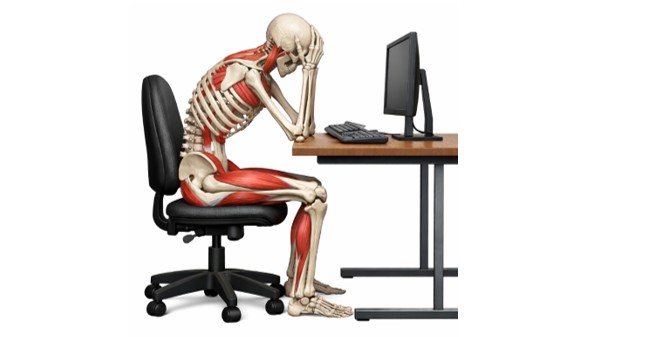
In many cases neck and shoulder tension doesn’t limit symptoms locally but referred symptoms can often be felt with headaches. As previously mentioned desk based factors can aggravated the muscles within the shoulders and neck. As the neck feeds the neural pathways to the brain, tension can increase nociceptive sensitivity. These symptoms can often be worsen by overexposure to screens, poor sleep, stress, and anxiety.
There are two main types of headaches that derive from neck and shoulder tension. Cervicogenic headaches and tension type headaches.
Cervicogenic headaches
These types of headaches will often be felt behind the eyes and In the back of the head. Although symptoms are felt In the head, the root cause is often the cervical spine joints ligaments and the overactivity of the suboccipital muscles. In a forward head position, often adopted when on a computer or phone, studies show the suboccipital operate at 36% of maximal capacity, whereas in neutral they work at 10-15%. Overactivity will lead to microtrauma and development of trigger points. These suboccipital trigger points will refer abnormal sensory input through the nervous system and relay headache symptoms, if not treated pain thresholds can drop causing central sensitisation. Addressing these suboccipital trigger points, maintaining neutral neck posture, and strengthening deep neck flexor muscles are the key steps in effective management of cervicogenic headaches.
Tension type headaches
On the flip side tension type headaches is similar in presentation but symptoms come without a peripheral source. Pain is commonly on both sides, and patients describe a tight band squeezing their head, often unaffected by neck movements. Although tenderness in the neck and shoulder is a common symptoms, the primary source for these types of headaches is stress related mechanisms. Where management focuses on stress reduction, adequate sleep, reduction of screen uses, reduce usage of forward head posture and manual therapy. Manual therapy, plays a support role in reliving tension around the head and neck, reducing stress levels, and reducing pain.
Key Take-aways
Poor posture will cause muscle imbalances that will contribute to neck and shoulder pain and limit mobility.
The cause of your headaches might derive from postural habits which inhibit the function of the deep neck muscles.
Sports massage can relieve tension and reduce pain within the neck shoulders, and head.
Seb Hutchins
Sports Therapist
For more information please CONTACT us