




Understanding DOMS
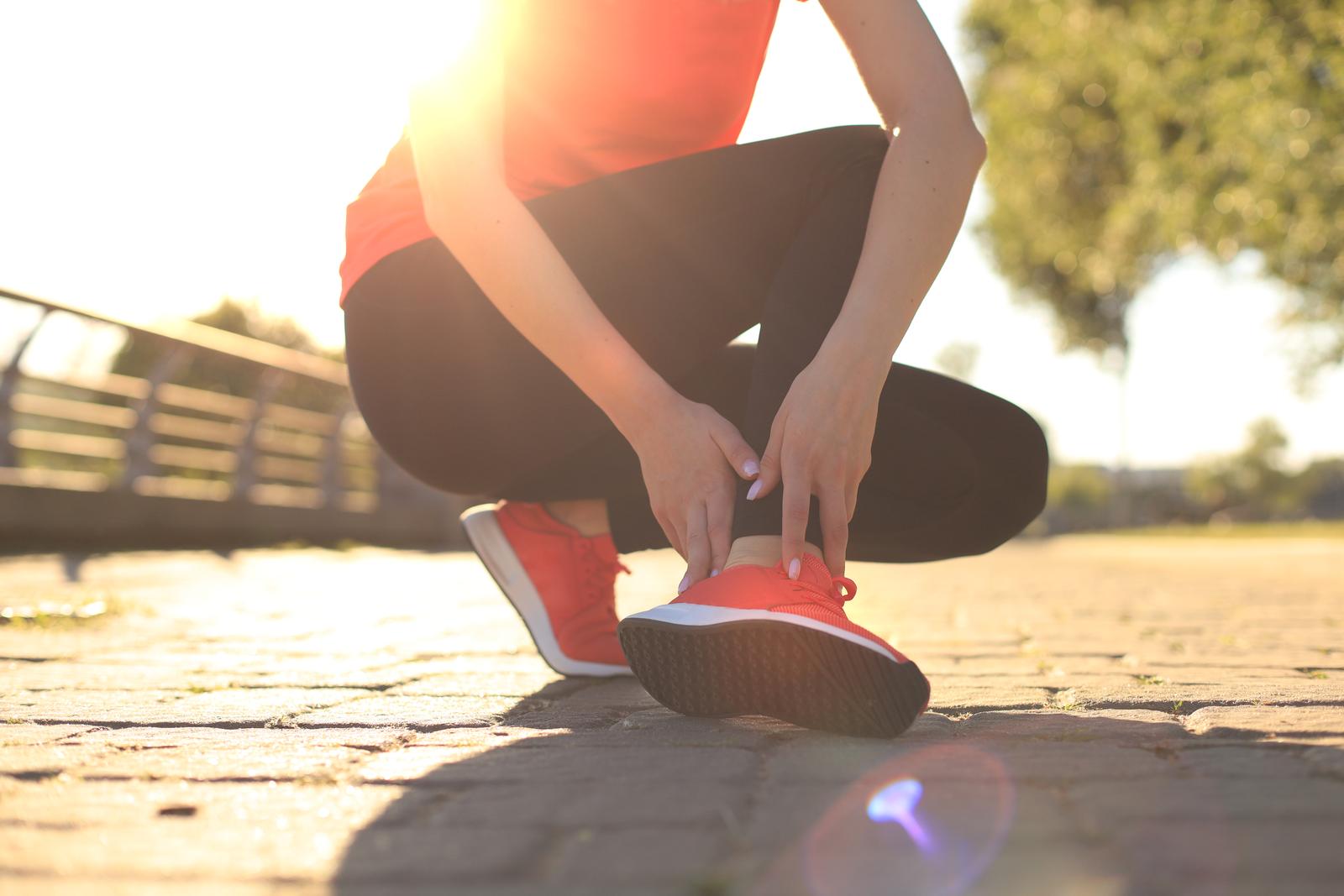
The term DOMS stands for Delayed onset of muscle soreness. A physiological response to intense or unfamiliar exercise. It’s interesting as a pain free period of 12-24 hours is usually followed by intense pain for 24-72 hours post exercise with mild symptoms lasting up to 7-10 days in some cases. Defending the science behind the term ‘two day post leg day syndrome’ commonly used amongst gym enthusiasts.
This type of muscle damage can be associated with a grade 1 muscle strain, however its more often referred to as exercise induced muscle damage (EMID). This damage is normal as strange as this might seem but it is required to trigger natural healing responses from the body. Repairing the muscle fibres, improving them slightly, this is how we become fitter and stronger through exercise.
Management of DOMS is key to ensuring a fast recovery as EMID can have a detrimental effect on performance. In some instances muscle strength can decrease by 20-50% post exercise. Training in this period will delay recovery further and there is an increased risk of injury due to inhibition of muscle strength, elasticity, and disturbed sense of joint position. Requiring longer gaps between sessions to full recover, inhibiting training volume.
Modern research typically evaluates the strength of recovery modalities through the level of creatine kinase (CK) found in the blood stream. CK is a biomarker for muscle damage and inflammation, typically peaking around 24-72 hours post exercise. CK levels should also be interpreted alongside subjective measures such as soreness and fatigue, than a standalone measure for recovery.
Management techniques
Massage
Massage/Sports massage is a treatment associated with enhanced recovery, and science defends this too. Studies have shown significant decreases in CK markers post massage after intense eccentric exercise. As massage typically increases blood flow and lymphatic drainage it will flush neutrophils from the damaged area, reducing muscle fiber necrosis, and decreasing CK levels.
Sports massage is recommended the same day or the day after intense exercise, as massages prescribed in this time frame can reduce DOMS for up to 96 hours post treatment. For reducing EMID, massage has been most effective in elite runners, body builders and cyclists. However this does not just limit the benefits to the elite as novice and amateur athletes will still benefit equally.
Massage sessions closer to cessation of exercise have shown the best results, with sessions as short as 30 minutes still offering moderate reduction in CK thus reducing DOMS. Maintenance sessions bi-weekly for 45 minute sessions have also shown promising results after during training blocks as ‘maintenance’, and have shown lower levels of fatigue, increasing training intensity and duration.
Compression Boots
Compression boots are a modern and more common method of reducing DOMS. Often housed within modern gyms this device will methodically compress the lower leg from toe to hip, theoretically pushing waste products around the lymphatic system for drainage and reducing the interstitial space available for swelling. Science has defended these implications, noting significant effects can be seen in a reduction of DOMS and perceived fatigue. However, the impact still less profound than traditional massage, with some studies showing no impact on biochemical markers CK for reduced EMID post compression boot sessions.
Optimal duration for compression boot sessions are between 20-40 minutes depending on symptoms. However as results are often driven through perceived recovery rather than biochemical results, duration and pressure intensity is often up to the discretion of the user, up to a maximum of 60 minutes.
Cold Water Immersion
Cold water immersion (CWI) through ice baths, cold showers, and cryochambers were initially introduced as a recovery technique in the 70’s and 80’s. Since then science has investigated the rigidity and mechanisms behind the modality.
With many scientists suggesting CWI vasoconstricts fluids from interstitial spaces, locally flushing out formations of inflammation and oedema build up or implying CWI increases hydrostatic pressure to facilitate the removal of metabolites. Either method has seen CWI to have a profound effect on DOMS and perceived fatigue, albeit a small effect.
An exposure to water between 11-15̊ c has been seen optimal for a positive impact on DOMS with duration depending on severity of fatigue. However CWI has been seen to reduce muscle protein synthesis, contraindicating the modality when aligning with training as strength increments are usually a key goal. Although some long distance athletes may weigh the benefits of reduce inflammation over muscle adaptation particularly in a busy working block or competition season.
CWI is also dangerous as the cold shock can cause heart rate to spike which can be deadly even to healthy individuals, as well as exposure to hypothermia and nerve damage.
Conclusive points
-
Recovery should match your goal
DOMS and EMID is a natural response to difficult training and progression. But how you manage it should depend on your goals. Massage and compression can be considered effective techniques whereas CWI should be reserved for athletes with busy training blocks.
-
Perception vs Science
Although some techniques offer more rigid defence from science including significant reduction in inflammatory factors. Recovery is often multi-factorial, ensuring your physically and mentally ready to train again should be considered equally. Ensuring function and readiness. Therefore your recovery modality should be personalised to you, meaning if massage helps you mentally recover, relax and feel ready to train this would be an ideal recovery strategy for you.
-
Massage remains gold standard
When applied strategically for a sustained period of time massage continues to demonstrate its ability to reduce DOMS and enhance recovery with little to no drawbacks given appropriate screening.
Seb Hutchins
Sports Therapist
For more information please CONTACT us