






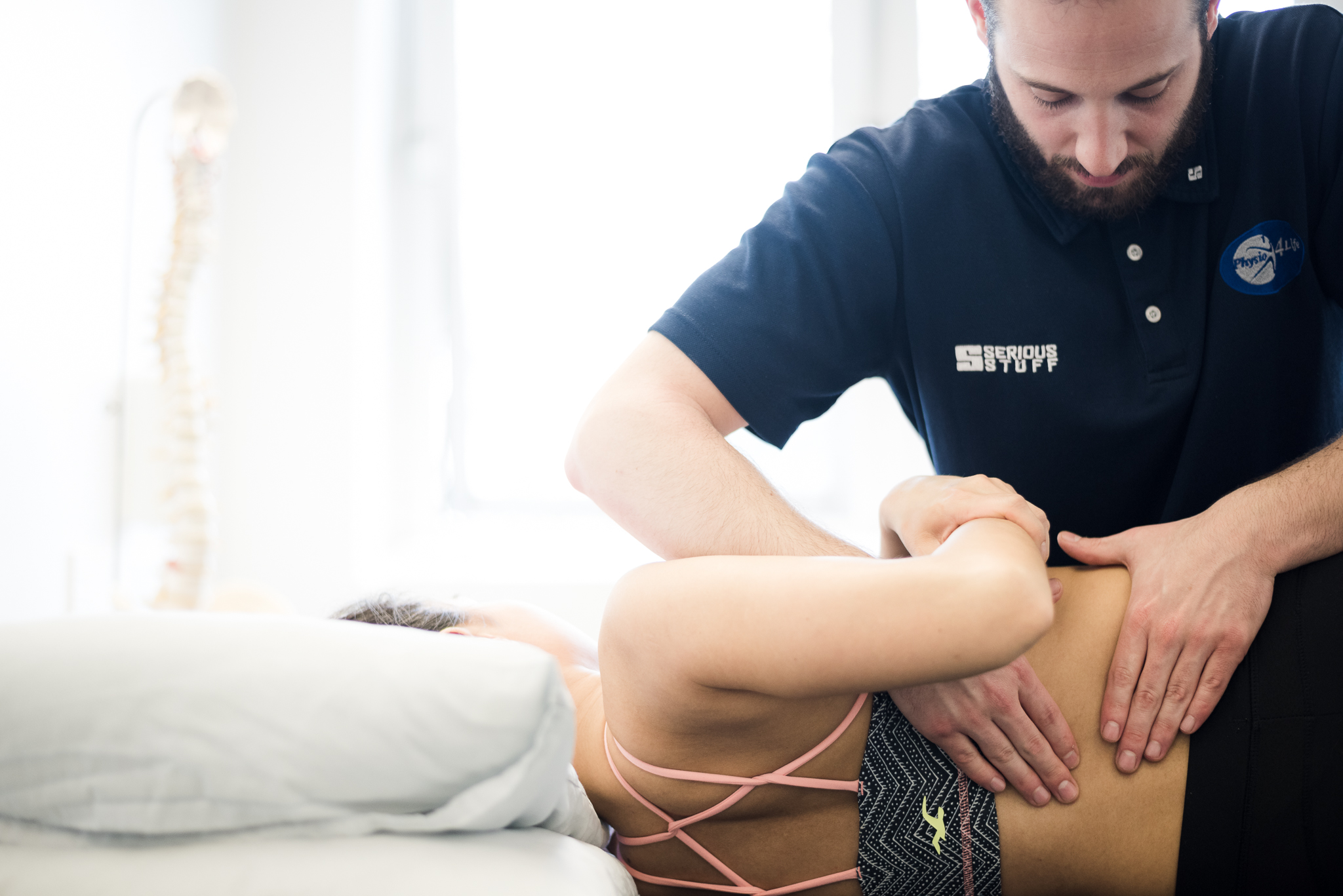
Physio4life offers professional physiotherapy services in SW20, providing patients with access to registered physiotherapists experienced in treating conditions like sports injuries, back pain, and joint problems. The clinic has built a reputation for comprehensive care, combining state-of-the-art facilities with tailored treatment approaches in a convenient South West London location.
Many residents in SW20 turn to Physio4life for help with ongoing pain, injury recovery, or improved physical wellbeing. The team’s expertise and commitment to patient care make it a reliable option for those seeking effective physiotherapy solutions in the area.
Free Physio Telephone Consultation
Physiotherapy Services in SW20
Physio4Life in SW20 delivers tailored physiotherapy, focusing on musculoskeletal and sports injury management. The clinic integrates hands-on treatment, guided rehabilitation, and preventative strategies to address a wide spectrum of patient needs.
Types of Physiotherapy Offered
Physio4Life provides several physiotherapy services to suit various conditions and lifestyles. The clinic offers musculoskeletal physiotherapy for joint, muscle, and ligament problems. Sports physiotherapy is available for athletes recovering from injuries or looking to optimise performance.
For individuals recovering from surgery, post-operative rehabilitation programs are designed to restore mobility and strength. Home physiotherapy visits are accessible for those unable to attend the clinic in person, ensuring continued care and support.
Additional services include women’s health physiotherapy, including pregnancy-related pain and postnatal recovery. The clinic is staffed by registered physiotherapists with expertise in managing both acute and long-standing health issues.

Specialised Treatment Areas
The team specializes in treating a range of conditions. Common areas include back and neck pain, sciatica, and headaches. Lower limb injuries such as sprained ankles, ligament damage, and running injuries are also frequently addressed.
Patients with chronic pain and sports-related injuries receive individualised treatment plans focused on achieving practical results. The clinic’s expertise also extends to post-surgical rehabilitation and activity-specific injuries.
Pregnancy pain, dizziness, and rehabilitation for orthopedic trauma are handled with specialist knowledge. Each clinician maintains up-to-date training in their focus areas, ensuring evidence-based care for various populations, including children with complex neurological needs.
Treatment Techniques and Modalities
A range of techniques is used to manage pain, restore function, and promote recovery. Manual therapy, including joint mobilisation and soft tissue massage, is commonly applied. Exercise prescription focuses on stretching, strengthening, and movement retraining.
The clinic incorporates modalities such as electrotherapy, ultrasound, and taping. Biomechanical assessments help identify underlying causes of discomfort and inform tailored rehabilitation plans.
Specialist treatments, such as Pilates-based rehabilitation and postural education, are available to improve long-term outcomes. Personalised exercise programs may be delivered in the clinic, at home, or virtually, providing flexible support for diverse needs.
Why Choose Physio4life
Physio4life is recognized for its skilled physiotherapists, commitment to individual patient needs, and advanced facilities. The clinic emphasises quality care, comprehensive assessment, and evidence-based treatments for a range of conditions.
Expert Physiotherapists
The physiotherapists at Physio4life bring extensive qualifications and real-world experience from settings such as the NHS, professional sports, and military health. Each practitioner is registered, ensuring they meet professional standards required for physiotherapy practice in the UK.
A thorough understanding of musculoskeletal injuries and rehabilitation allows them to address both acute and chronic pain, including back, neck, and joint issues. Their approach includes clear communication of treatment goals and methods.
They regularly participate in ongoing professional development, keeping abreast of new techniques and clinical guidelines. This commitment to expertise is apparent in patient assessments and tailored recovery plans.
Patient-Centered Approach
Physio4life provides consultations that are structured to fully understand patient concerns. Initial physiotherapy appointments typically last one hour, allowing time for detailed assessment and clear explanation of diagnosis and next steps.
Treatment is adjusted based on individual goals, whether for recovery, pain management, or injury prevention. The clinic encourages patient involvement and provides education for self-care and long-term wellbeing.
Patients are supported throughout their recovery, with progress monitored and advice adapted as needed. The aim is to not only resolve current issues but also to help prevent re-injury through lifestyle guidance and functional training.
Facility Features
Located in Putney, Physio4life operates in a modern clinic with state-of-the-art equipment suitable for assessment and rehabilitation. Facilities include private treatment rooms, exercise space for guided therapy, and specialized tools for biomechanical analysis.
The clinic also offers additional services such as massage therapy, Pilates, and yoga, creating a comprehensive environment for rehabilitation and prevention. Massage therapists are insured and hold recognised qualifications such as ITEC Level 3 or above.
Convenient appointment booking and a clear money-back guarantee on physiotherapy services demonstrate confidence in treatment quality and a commitment to hassle-free care. The location serves SW20 and surrounding areas, making it accessible to local residents.
Booking Your First Appointment
Booking your initial physiotherapy appointment with Physio4Life in SW20 is a straightforward process. Patients receive clear guidance from the outset, allowing for a smooth and informed start to their treatment plan.
Initial Assessment Process
The first step is to book an appointment, either online or by phone. Physio4Life offers an online booking page for convenience, accessible at any time. Patients can choose their preferred slot and specify details about their condition.
Upon arrival, the physiotherapist will conduct a detailed assessment. This includes discussing medical history, symptoms, and any current injuries or pain. The clinician may also ask about daily activities or previous treatments to gain a full understanding of underlying factors.
A typical initial assessment lasts approximately 45–60 minutes. During this session, the physiotherapist might perform a physical examination to assess posture, joint movement, flexibility, and muscle strength. This thorough evaluation helps inform an individualized care plan tailored to each patient’s specific needs.
What to Expect During Your Visit
Patients should expect a one-on-one session with a registered physiotherapist in a private, well-equipped setting. The appointment begins with discussing symptoms and health goals. The physiotherapist then explains the examination process and proposed treatment plan.
Hands-on testing may involve assessing joint mobility, muscle condition, and any limitations in movement. If necessary, the physiotherapist will demonstrate or supervise simple exercises. Treatment recommendations—such as manual therapy, stretches, or targeted exercise—are often discussed and begun in the same visit.
Clear communication is maintained throughout. Patients are encouraged to ask questions about their diagnosis, goals, and ongoing therapy. Any instructions or exercises to complete at home will be explained and demonstrated to ensure understanding.
Preparing for Your Session
To make the most of your appointment, arrive a few minutes early and bring any relevant medical documents or referral letters. Wear comfortable clothing that allows easy access to the area being treated, such as shorts or loose-fitting attire.
Patients often find it helpful to write down symptoms, duration, and any specific concerns in advance. Bringing a list of current medications or recent test results will aid the assessment.
A notebook or smartphone can be used to jot down advice, exercises, or follow-up instructions. Remember to be open about all symptoms and expectations, as this helps the physiotherapist create a precise and effective treatment plan.
Use our ‘ASK A THERAPIST‘ feature.