





Manual Therapy Works, When Applied Correctly
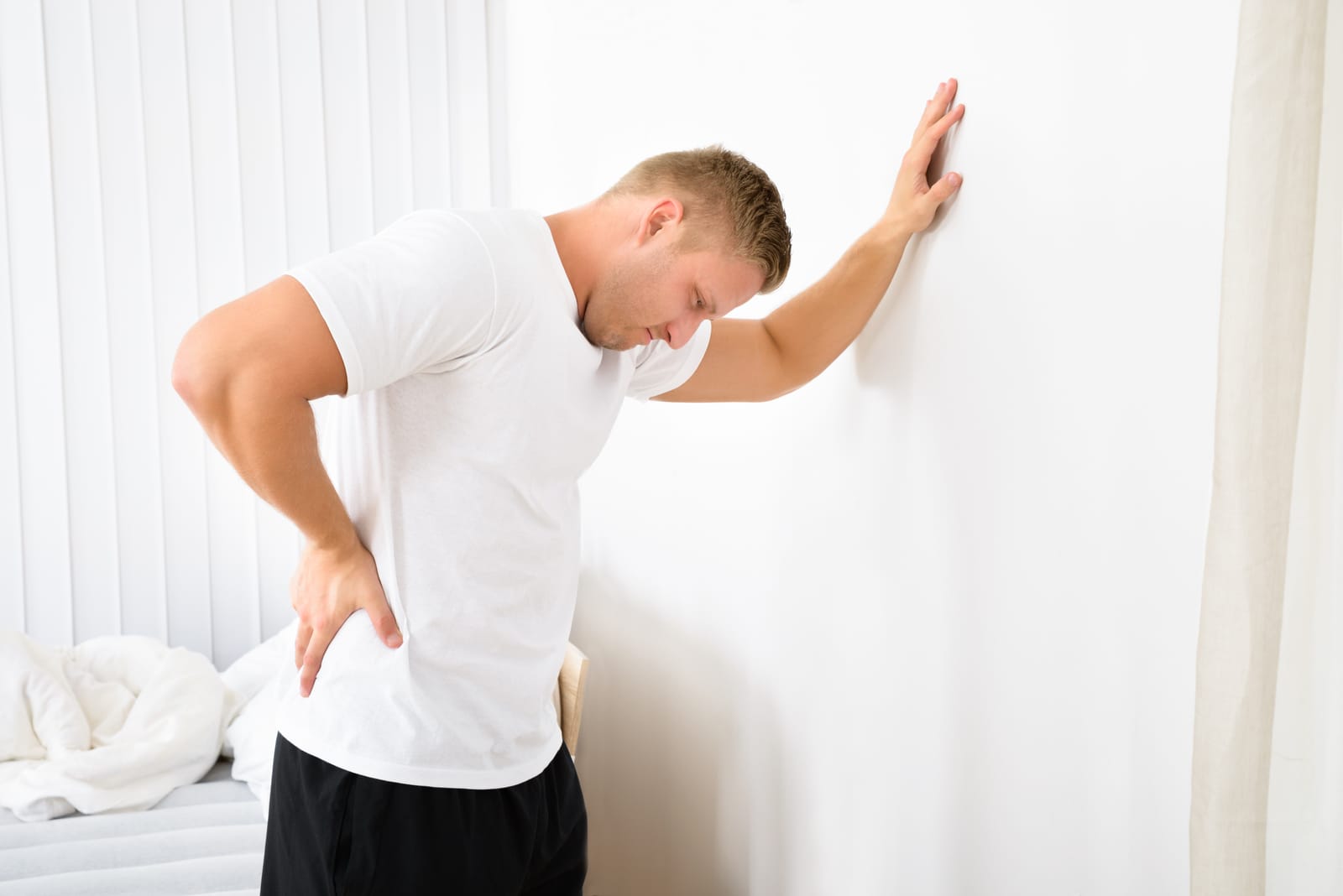
Modern sedentary lifestyles are often unavoidable. Long hours sitting at a desk can contribute to adverse hip biomechanics contributing to pain in the gluteal area. This isn’t the only factor as athletes and gym goers with high training load and poor load management will often suffer similar symptoms.
Glute pain is often oversimplified as ‘tight glutes’ ‘Piriformis syndrome’ or ‘IT band tightness’. Which can be contributing factors to glute pain.
However, in real cases hip pain can be linked to more factors such as load management, tendon irritation or nervous sensitivity. Understanding your symptoms will help you find the solution for you, whether its manual therapy, physiotherapy or a combination of both.
Common Hip and Glute Conditions seen Clinically
GTPS
GTPS or gluteal trochanteric pain syndrome is described as lateral hip pain. Usually stemming from glute medius and minimus tendinopathies and occasionally irritation of the bursae located on the side of the hip.
Although this is a load intolerance issue, most commonly from a sudden increase in training volume, sports massage and manual therapy will aid in symptom modification. Reducing pain will make exercises more tolerable and help speed up recovery.
Due to aggravation from glute medius and minimus, often the glute maximus and Tensor fascia latae will become overactive. Releasing these muscles will reduce compressive tone over the greater trochanter and improve movement tolerance again contributing to a reduction in pain.
GLUTEAL SYNDROME
The deep glute structure is complex. Often referred to as the deep six the unique intricacy of these muscles often makes it hard to derive which muscle is causing the problems. Therefore, it is often summarised as deep gluteal pain or gluteal syndrome clinically.
Most patients with gluteal syndrome will complain of pain in the back of the hip due to compression of the sciatic nerve due to compression by the deep gluteal muscles, most commonly the piriformis muscle (67.8%).
This can be worsened with prolonged sitting and repetitive hip loading Myofascial and trigger point release, in conjunction with rehab is very useful in the rehabilitation of gluteal syndrome. Helping release muscular tension on the sciatic nerve can be a useful tool in reducing symptoms to facilitate exercise.
PORX HS TENDINOPATHY + GLUTEAL TENDINOPATHY
Tendon pain is common particularly in runners and field athletes. Although gluteal and hamstring tendinopathies compromise different movements both result in load related intolerances. Typically worsened with activity and eased with rest, without compromising range of movement.
Manual therapy cannot heal the tendon itself; however it can be an important part of rehab for pain modulation.
Where tendons best respond to load to initiate healing mechanism, massage and manual therapy aid with pain. Helping the patient lower perceived pain and making it easier to complete the exercises will give an encouraging head start to rehab.
GLUTEAL MYOFASICAL PAIN
Gluteal myofascial pain refers to trigger points which harbour in the glute, often within the gluteal’s and tensor fascia latae. Such trigger points can develop due to prolonged sitting and suboptimal posture or overuse from activities such as running squatting or jumping.
The glute may feel tight with symptoms often localised and sensitive to touch. Such pain can inhibit muscle activity leading to compromised biomechanics.
Trigger point therapy and sports massage and reduce active trigger points and are typically most effective in the glute. Post treatment patients can more effectively activate compromised muscles during rehab and exercise.
What is Manual Therapy in this Context?
Manual therapy is the structured application of massage, trigger point, muscle energy techniques and stretching the achieve positive changes in the tissue.
Although the home applications of Thera-guns, tennis balls and contrast therapy is good, an expert approach is often best to achieve best results tailored to your needs.
Incorrect application could worsen symptoms. As manual therapy is a tool to help best manage and reduce pain symptoms within the glute, aggravating these can make rehab longer.
The Load Management Principle
Most hip and gluteal pain derives from poor load management where the tissue doesn’t have the capacity to cope with demand in combination with prolonged periods of sitting and inactivity. While massage therapy is important for pain modulation to encourage the completion of exercise from pain relief.
Long lasting results will come from the production of completing exercises.
Being able to understand the cause of your glute/ hip pain is integral to being able to apply precise and localised treatment. Depending on your symptoms manual therapy can be that missing piece in the puzzle, to speed up your recovery.
Seb Hutchins
Sports Therapist
For more information please CONTACT us