



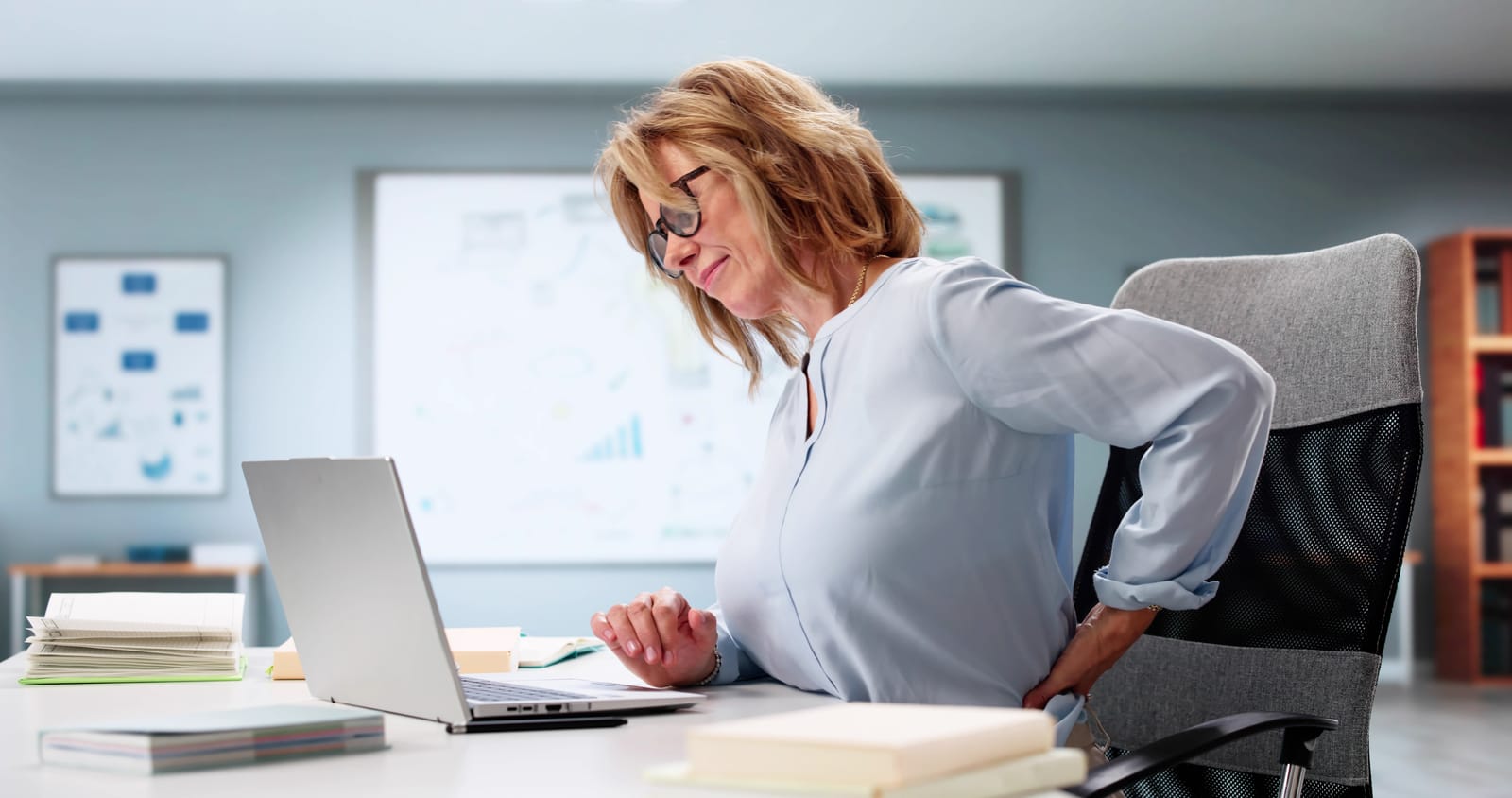
Lower back pain is a common issue that affects the area between your ribs and glutes. In fact, 85% of lower back pain cases often do not have a clear diagnosis. So, when you come into clinic, we focus on managing your symptoms and improving your comfort, rather than labelling the exact cause of pain. In the early stages of pain, manual therapy treatments such as sports massage can be incredibly effective in easing pain and helping to restore mobility.
Most lower backs will heal with time, backs are strong and adaptable and when pain is experienced it does not always mean damage however its important to manage symptoms and prevent relapse. However there are rare cases which require immediate attention which will be discussed in the red flags section later on.
In this blog, we’ll explore how techniques like massage, self-management, heat therapy and strength training are proven to be some of the best methods of management to reduce lower back pain.
Learning to self-manage your lower back pain
Lifestyle adaptation plays a crucial role in managing lower back pain. One of the most effective strategies is reducing prolonged periods of sitting by incorporating movement throughout the day. It’s not always the sitting which causes the problem but the lack of variability in spinal movement, as you’ll often hear physios say ‘your next posture is your best posture’. This helps to prevent muscles from becoming tight and creating areas of tension, which can restrict mobility and worsen discomfort.
Many patients come to Physio4Life after waiting for the pain to subside on its own, but delaying treatment can often worsen and extend symptoms. In the early stages, targeted manual therapy is highly effective for addressing pain and promoting recovery. Additionally, many patients feedback that stress and anxiety can heighten the sensitivity of their nervous system, making pain feel more intense.
Integrating Sports Massage into your treatment for lower back pain can also offer therapeutic benefits, breathing techniques used within manual therapy promotes mindfulness which can help calm the nervous system, reduce tension and encourage healing.
Strength training
Targeted strength training for the hips, glutes and lower back has shown strong links to decreasing lower back pain. One option within a lower back targeted program is Isolated lumbar extension exercise, these have gained traction due to its ability to train the paravertebral muscles without excess strain on the intervertebral discs. Our patients have demonstrated significant reduction in pain with personalised exercise prescriptions; the main aims are to improve spinal stability and posture. Rather than protecting the spine from load our aim is to progressively increase the spines capacity to tolerate it. If pain exceeds the threshold for exercise, pain management is a tool we’ll use through treatments such as massage which provide a window of opportunity where pain is decreased to implement strength training protocols.
Massage as a form of medicine
Sports massage is safe to perform on patients with lower back pain, and research re-enforces the positive outcomes, particularly when the intervention is used in early stages of recovery. Patients show significant improvements after the first session such as reduced pain, improved physical function and range of motion. Often our patients use sports massages alongside training as the short-term analgesic effects allow for training to be progressed and exercises to be completed absent of pain. The combination of both treatment methods is more effective.
Does heat melt back pain?
Short answer…no, heat is predominantly use for pain modulation rather than tissue change. The rise in tissue temperature during a sports massage improves pain relief by relaxing the muscles and blood flow. Heat stimulates thermoreceptors, these receptors can successfully inhibit pain pathways caused by chronic pain diseases, and some studies suggest it can reduce pain in acute cases too! This can be achieved through applying hot water bottles, heat bean bags to your problem area after a sports massage. This is an easily accessible form of treatment and is most effective when combined with stretching. Also as discussed previously is a good tool to calm the muscular and nervous system down before trying strength training.
Seb Hutchins
Sports Therapist
For more information please CONTACT us