




Muscle tension can affect almost anyone, whether you’re spending long hours sitting at a desk, recovering from a demanding workout, dealing with everyday stress or experiencing persistent aches and stiffness. When muscles remain tight for prolonged periods, even simple activities such as turning your head, bending down or getting comfortable at night can become uncomfortable.
At Physio4Life in Putney, we offer professional muscle tension massage treatments designed to ease muscular discomfort, reduce stiffness and help you move more comfortably. Our experienced massage therapists use a range of hands-on techniques, including deep tissue massage, sports massage and myofascial release, tailoring each treatment to your individual needs.
Whether you’re experiencing persistent tension in your neck and shoulders, lower back tightness or general muscle soreness, our team is here to help.
What Causes Muscle Tension?
Muscle tension occurs when muscles feel persistently tight, stiff or uncomfortable. Although tension is often temporary, it can become a recurring problem, particularly when the underlying causes are not addressed.
There are several common reasons why muscle tension develops.
Poor posture and prolonged sitting: Spending hours at a computer, looking down at a phone or working in the same position can contribute to discomfort in the neck, shoulders and upper back.
Stress and anxiety: Emotional stress can cause people to unconsciously tense their muscles, particularly around the shoulders, neck and jaw. Over time, this may lead to persistent tightness, headaches and muscular discomfort.
Physical activity and overuse: Repetitive movements, strenuous exercise and insufficient recovery between workouts can leave muscles feeling sore, fatigued and restricted.
Muscle imbalances: When certain muscles are working harder than others, they may become overloaded, contributing to tension and discomfort during everyday movement.
Previous injuries: Following an injury, surrounding muscles may tighten as a protective response. This can sometimes continue after the initial injury has improved.
Whatever the cause, professional massage therapy can be a useful way to manage muscular tension and improve comfort.
How Can Massage Help Relieve Muscle Tension?
Massage therapy involves applying controlled pressure and movement to the body’s muscles and surrounding soft tissues. The aim is to reduce muscular discomfort, encourage relaxation and improve movement.
At Physio4Life, our therapists adapt their techniques according to the location and severity of your tension, your medical history and your preferences.
Reducing Tightness and Muscle Knots
Areas of persistent muscular tension can feel particularly tender or knotted. Targeted massage techniques may help reduce the discomfort associated with these sensitive areas, allowing the muscles to feel more relaxed.
Improving Flexibility and Range of Movement
Tight muscles can make everyday movements uncomfortable. Massage may temporarily improve flexibility and range of motion, making activities such as turning your neck, reaching overhead or bending forward feel easier.
Easing Neck, Shoulder and Back Discomfort
The neck, shoulders and lower back are particularly common areas for muscular tension. By working directly with the affected soft tissues, massage therapy can help relieve localised soreness and stiffness.
Encouraging Relaxation and Reducing Stress
Muscle tension and stress frequently go hand in hand. Massage can encourage physical relaxation and may help reduce perceived stress, particularly when combined with regular exercise, movement breaks and good sleep habits.
Supporting Recovery After Exercise
Following intense physical activity, muscles can become sore and uncomfortable. Massage may help reduce the sensation of post-exercise soreness and make recovery feel more comfortable, although it does not replace adequate rest and sensible training.
Deep Tissue Massage for Muscle Tension in Putney
One of the treatments we offer at Physio4Life is deep tissue massage, particularly suited to people experiencing persistent muscular tightness.
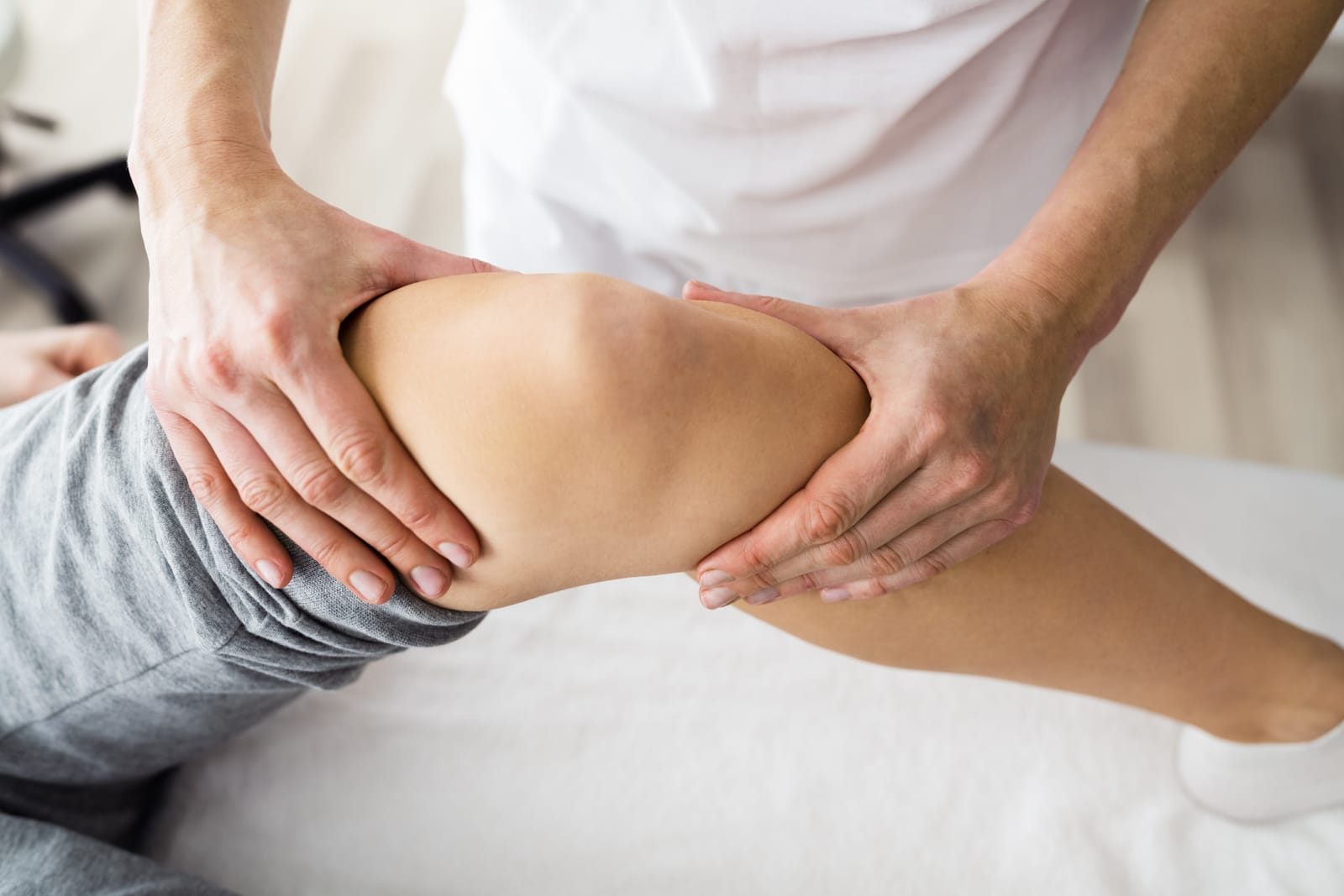
Unlike a general relaxation massage, deep tissue massage uses slower, more focused techniques to work on specific areas of discomfort. Your therapist may use their hands, fingers, knuckles or forearms to apply controlled pressure to muscles and surrounding connective tissues.
Deep tissue massage can be particularly useful for people experiencing:
- Persistent neck and shoulder tension
- Tightness across the upper or lower back
- Muscle stiffness associated with prolonged sitting
- Soreness following exercise or repetitive activities
- Restricted movement caused by muscular tightness
- Tender areas within overworked muscles
Deep tissue massage does not necessarily need to be painful to be effective. Our therapists adjust the pressure to your comfort level, ensuring your treatment is appropriate for your needs.
Sports Massage for Tight and Overworked Muscles
You don’t have to be a professional athlete to benefit from sports massage.
At Physio4Life, our sports massage treatments in Putney are suitable for runners, cyclists, gym enthusiasts, recreational athletes and anyone whose muscles are regularly placed under physical strain.
Sports massage focuses on the muscle groups most affected by your activities, helping to manage muscular discomfort, improve flexibility and support your recovery routine.
For example, runners may experience tight calves, hamstrings or quadriceps, while people who regularly lift weights may develop tension in their shoulders, upper back or hips.
Our therapists can focus on these specific areas, adapting the treatment to your activity levels and individual requirements.
Myofascial Release and Trigger Point Therapy
As well as traditional massage techniques, our experienced therapists at Physio4Life offer specialist soft tissue treatments, including myofascial release and trigger point therapy.
Myofascial release uses sustained, controlled pressure and gentle stretching techniques to address discomfort associated with muscles and their surrounding connective tissue, known as fascia.
Trigger point therapy focuses on localised areas of muscular tenderness that may contribute to pain or discomfort elsewhere in the body.
These techniques can be incorporated into your massage treatment where appropriate, providing a more individualised approach to persistent muscle tension.
Which Areas of the Body Can Benefit from Muscle Tension Massage?
Muscle tension can develop almost anywhere in the body, although certain areas are particularly susceptible.
Neck and Shoulder Tension
Neck and shoulder stiffness is common among people who work at desks, drive frequently or spend long periods looking at screens. Massage can help reduce localised muscular tightness and make neck and shoulder movements more comfortable.
Upper and Lower Back Tension
Tightness in the back can develop through prolonged sitting, repetitive movements, physical exertion or stress. Massage therapy may help ease muscular discomfort and improve mobility.
Hip and Gluteal Tightness
The muscles surrounding the hips and pelvis play an important role in walking, running and maintaining stability. Tightness in these areas can contribute to discomfort during movement or after sitting for extended periods.
Leg and Calf Tension
Regular exercise, prolonged standing and repetitive physical activity can leave the thighs and calves feeling tight and fatigued. Targeted massage can help manage soreness and improve comfort.
What to Expect from Your Muscle Tension Massage at Physio4Life
When you visit Physio4Life for a muscle tension massage in Putney, your therapist will begin by discussing your symptoms, medical history and the areas causing you discomfort.
They will ask about your daily activities, exercise habits and any previous injuries to better understand what may be contributing to your muscular tension.
Your treatment will then be tailored to your requirements. Depending on your symptoms, this may include deep tissue massage, sports massage, myofascial release or a combination of techniques.
We offer massage appointments of 30, 45 and 60 minutes, allowing you to choose a treatment duration that suits your needs.
Your therapist may also offer practical advice on stretching, movement and managing muscular tension between appointments.
For persistent or recurring symptoms, our physiotherapy team can provide further assessment to help identify factors that may be contributing to your discomfort.
Why Choose Physio4Life for Muscle Tension Massage in Putney?
Physio4Life is an established physiotherapy and massage therapy clinic located in the heart of Putney, London SW15.
Our experienced team provides professional, personalised treatments in a modern and welcoming clinical environment.
As a multidisciplinary clinic offering physiotherapy, osteopathy, sports injury rehabilitation, Pilates and massage therapy, we take a comprehensive approach to musculoskeletal health.
Rather than simply applying the same massage techniques to everyone, our therapists consider your symptoms, lifestyle and treatment goals to determine the most appropriate approach.
Whether you need occasional massage for general muscle tightness or support with persistent muscular discomfort, our aim is to help you feel more comfortable and confident in your movement.
Book Your Muscle Tension Massage in Putney Today
If tight, aching muscles are affecting your comfort, movement or daily activities, professional massage therapy could help.
At Physio4Life, our experienced massage therapists provide targeted treatments to ease muscle tension, relieve stiffness and support your physical wellbeing.
Whether you’re looking for deep tissue massage, sports massage or a more relaxing therapeutic treatment, we can help you find an approach suited to your needs.