




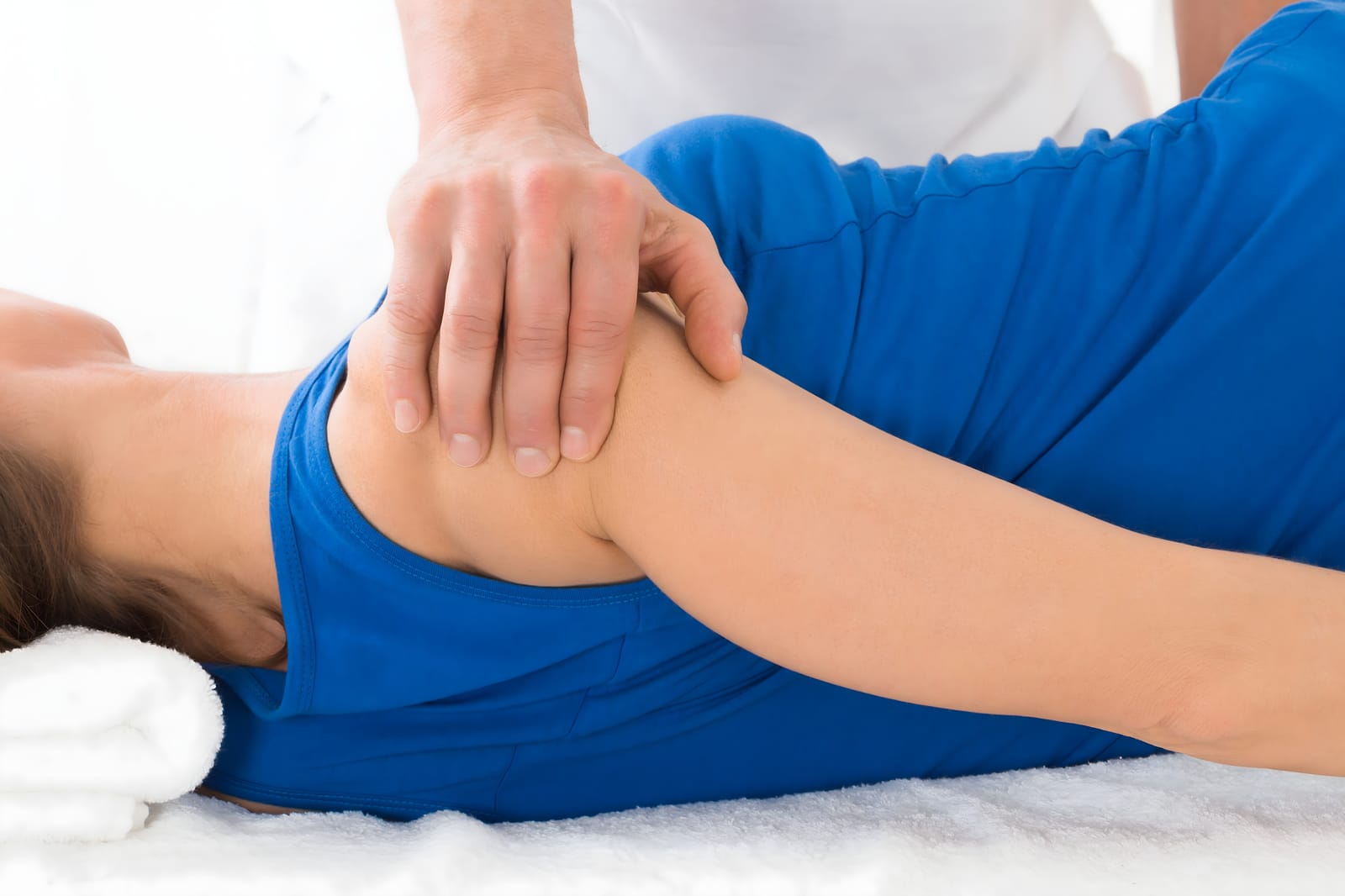
Many of our patients are fitness enthusiast and athletes, they often seek sports massage to address common concerns such as tightness, muscle aches and back pain. At Physio4Life, we aim to help you return to a relaxed, pain-free state through personalised treatments that target your muscle tension and symptoms. But what exactly does a sports massage do to your muscles, and how does it help with recovery?
This blog will cover the effects of sports massage on our muscles.
How can Sports Massage support delayed onset muscle soreness?
Delayed onset muscle soreness (DOMS) is a common symptom of exerting exercise. It is a cramp like tightness is experienced within muscles, caused by a buildup of lactic acid which can last for several days. Sports massage cannot remove lactic acid; however it can reduce creatine kinase enzyme, which is a biological marker for muscle damage post exercise, in that way sports massage’s contribution to reducing DOMS. Making sports massage an ideal modality within your recovery especially for individuals who push their training hard, frequently.
Sports Massage benefit on Flexibility:
The most common and rewarding feedback we receive at Physio4Life is that our patients feel they can move more freely after their Sports Massage treatment. Patients who have an active lifestyle, managing working long hours at a desk and trying to stay active often can suffer from overactive muscles. Persistent muscle tension can negatively affect movement by hindering flexibility. Research heavily supports the positive effects of sports massage on flexibility and range of motion, with massages longer than 45 minutes offering the best results. Lasting effects are best seen when followed up with maintenance massage bi-weekly and incorporating a mobility and stretching routine.
Why muscle knots form and how Sports Massage can help:
A muscle knot, clinically referred to as a trigger point is described by Dr Janet Travell as a hyperirritable locus within a taught band of skeletal muscle. All of us will harbour these areas of tension, with common patterns seen within postural habits such as elevating the shoulders, constricting the chest by rounding the upper back, or strongly arching the lower back. Causation is not only physical but also emotional, periods of stress and anger can subconsciously contribute to formation of trigger points through excessive muscle contraction. These areas of trigger points will often suffer from a reduced local blood flow, restriction in range, and poor lymphatic drainage, all three points contributing to symptoms such as pain, and restriction of movement.
Your physiotherapist or massage therapist will be able to find these points by palpation and they will appear as tense and tender under mild touch. Trigger point therapy is an arm to sports massage in which a 15-20 second sustained pressure is used on the trigger point to elicit the local twitch response, in which the knot will often feel like it ‘melts away’. Partnered with massage research supports these techniques to best limit and reduce active trigger points, once significant reduction is achieved stretches will likely be provided. The stretching is arguably the most important part, going away and doing your prescribed stretches daily will aim to keep the muscle from returning to that shortened state.
If you’re preparing for your first 5k or marathon sports massage can help your body to recover faster, allowing you to train more frequently with less discomfort. Sports massage is also a useful modality for desk-based workers, as prolonged sitting can reduce muscle length increase tension. By addressing both physical stiffness and stress, sports massage is an effective tool for supporting performance, recovery, and overall wellbeing for people of all activity levels.
Regarding the neurophysiological mechanisms, a massage cannot remove lactate acid, but it can reduce creatine kinase enzyme and, in that way, contribute to reducing pain or delayed onset muscle soreness. In conclusion, there are positive trends between massage application and the reduction of DOMS, which are backed up by the results of numerous studies this isn’t just a side effect this is the aim with patient who come in with insidious tightness of muscle which ultimately contributes to their poor flexibility.
For more information please CONTACT us